Working Principle of Industrial Ethernet Switches
The industrial Ethernet switch connects to various field devices such as sensors, PLCs and HMIs through physical interfaces. When industrial devices need to communicate, they send data packets to the switch. The switch identifies the destination based on MAC addresses and forwards the packets to the corresponding ports.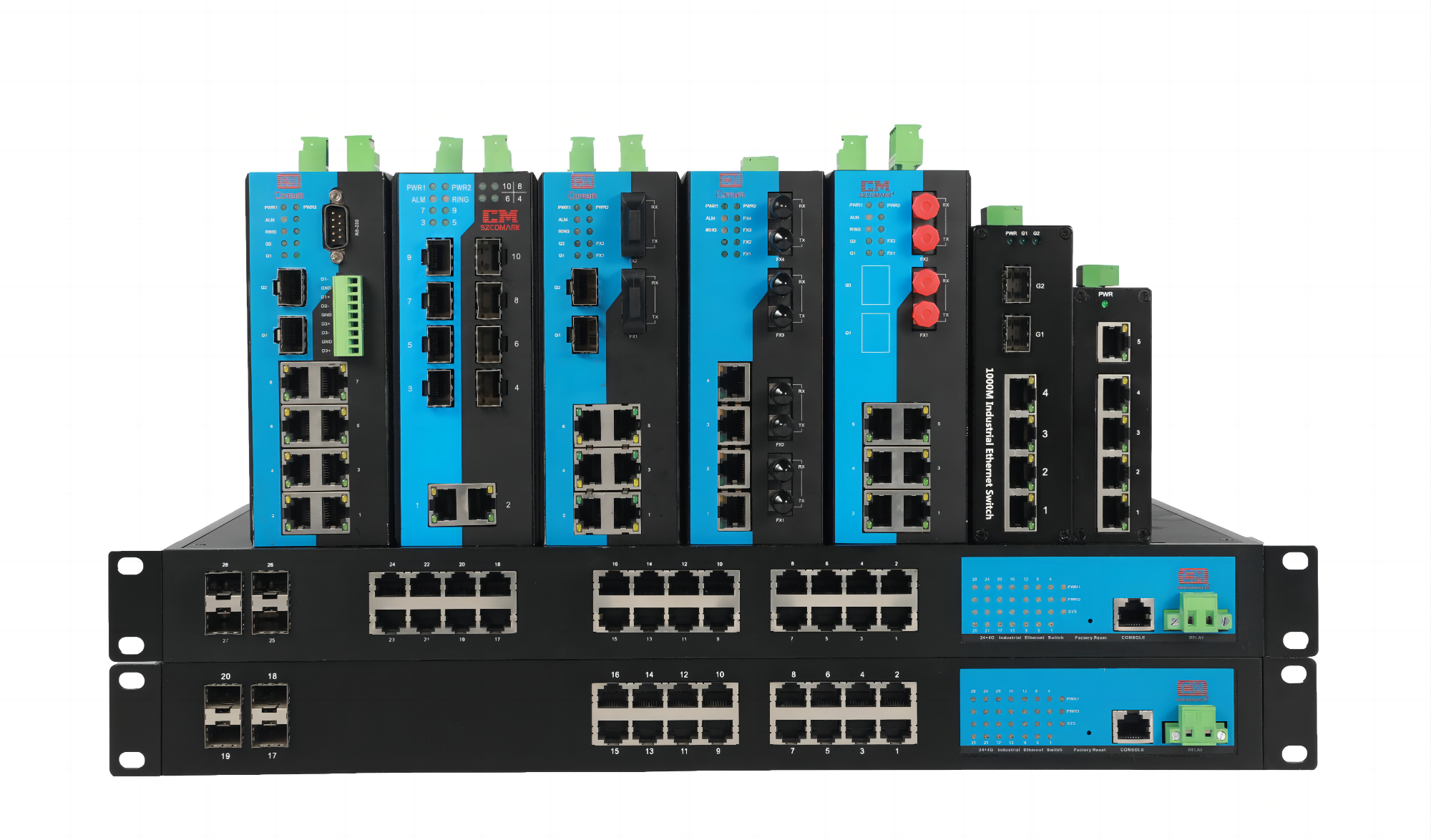
Core Advantages of Industrial Ethernet Switches
Industrial Ethernet switches outperform commercial switches for harsh industrial environments. Their core advantages are listed below:
|
Advantage Dimension |
Specific Description |
|
Environmental Adaptation & Physical Protection |
It supports a wide temperature range (-40℃ to 80℃) and IP40 protection. Dustproof and shockproof, it adapts to harsh industrial environments. |
|
Electromagnetic Interference Resistance |
Built with shielded circuits for strong anti-electromagnetic interference capability, preventing packet loss and ensuring stable data transmission. |
|
Operational Reliability & Redundancy |
Supports ring network, link and power redundancy. Millisecond-level fault switching ensures uninterrupted and highly reliable network operation. |
|
Industrial Protocol Compatibility |
Compatible with standard Ethernet and mainstream industrial protocols including Modbus, PROFINET and EtherNet/IP for seamless industrial device connection. |
|
Network Security Protection |
Provides VLAN isolation, address filtering and data encryption to block unauthorized access and data leakage, securing industrial networks. |
Industrial Ethernet switches provide excellent environmental adaptability, anti-interference performance, high reliability, universal protocol compatibility and comprehensive security, making them suitable for industrial automation, intelligent transportation and other demanding industrial scenarios.
Applications of Industrial Ethernet Switches
1️⃣ Application Industries
Industrial Ethernet switches are widely applied in industrial automation, manufacturing, power and energy, intelligent transportation, smart coal mines and other industries.
2️⃣ Functions in Industrial Automation Scenarios
They connect automated devices including sensors, actuators and PLCs, realize data exchange between equipment, and boost factory production efficiency and product quality.
3️⃣ Functions in Security and Operation & Maintenance Scenarios
They carry real-time video surveillance and remote equipment maintenance services, and enhance the reliability and operational safety of the whole control system.
4️⃣ Value in Infrastructure Sector
They empower the construction of infrastructure projects such as smart power grids and intelligent rail transit, and support sustainable urban and national development.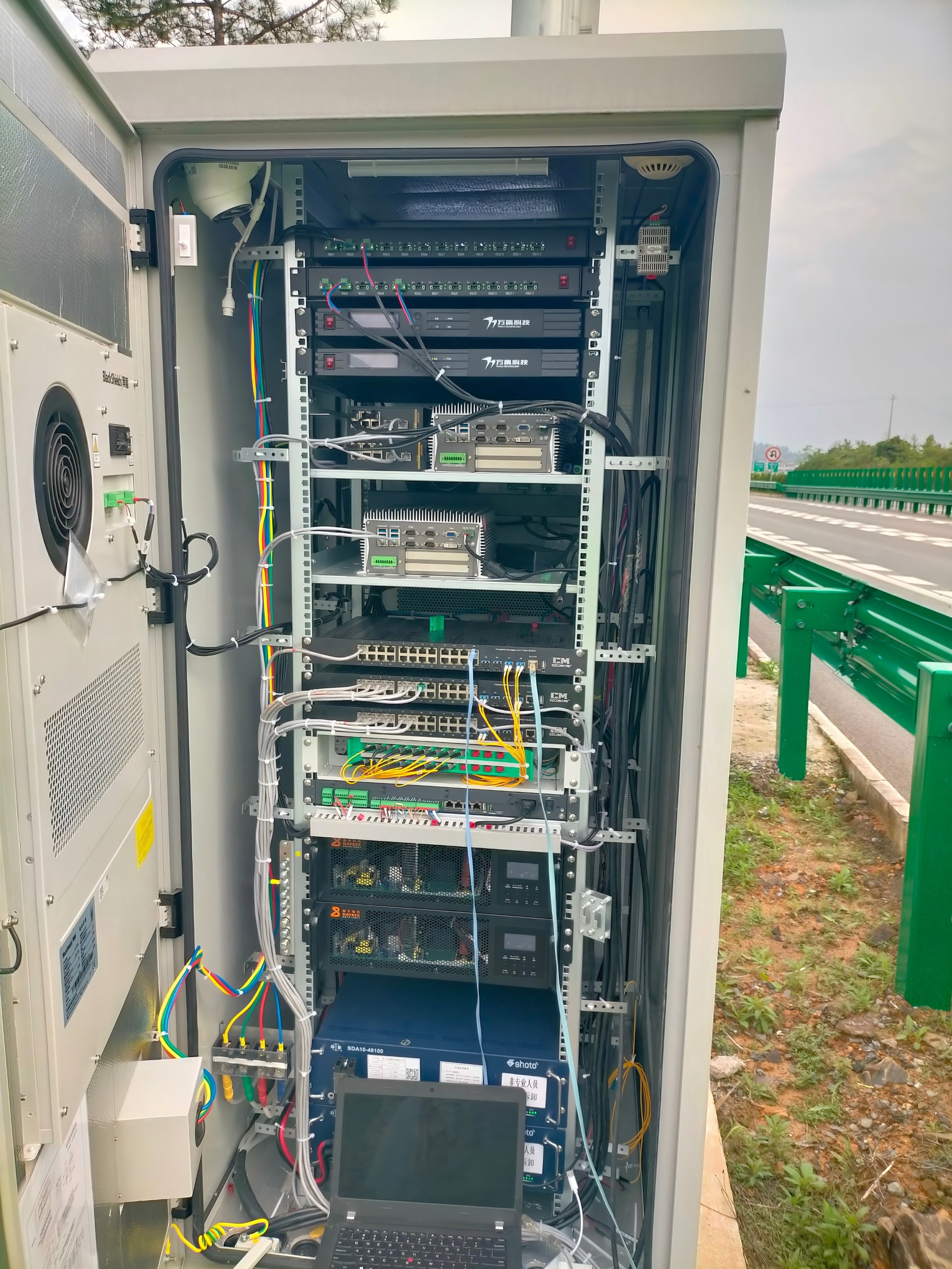
Future Development Trends of Industrial Ethernet Switches
Fueled by advanced industrial automation and smart manufacturing, industrial Ethernet switches present four key development trends.
✅ Network Virtualization
Switches support multi-virtual network parallel operation, boosting network resource utilization and configuration flexibility for large-scale industrial systems.
✅ AI-based Intelligent Operation and Maintenance
With AI and machine learning integration, switches achieve real-time network monitoring, automatic optimization, early warning and fault diagnosis, reducing maintenance labor and enhancing network automation, self-healing and stability.
✅ Continuous Network Security Upgrade
To tackle increasing network risks, switches apply deep packet inspection, access control and data encryption to strengthen industrial network security and stable operation.
✅ Compatibility with Emerging Technologies
Switches enhance compatibility and integration with 5G, IoT, edge computing and blockchain, enabling intelligent, secure and efficient industrial communication systems.
As core industrial network equipment, industrial Ethernet switches will continuously innovate in virtualization, intelligent O&M, network security and emerging technology adaptation under Industry 4.0, advancing industrial communication technologies.


